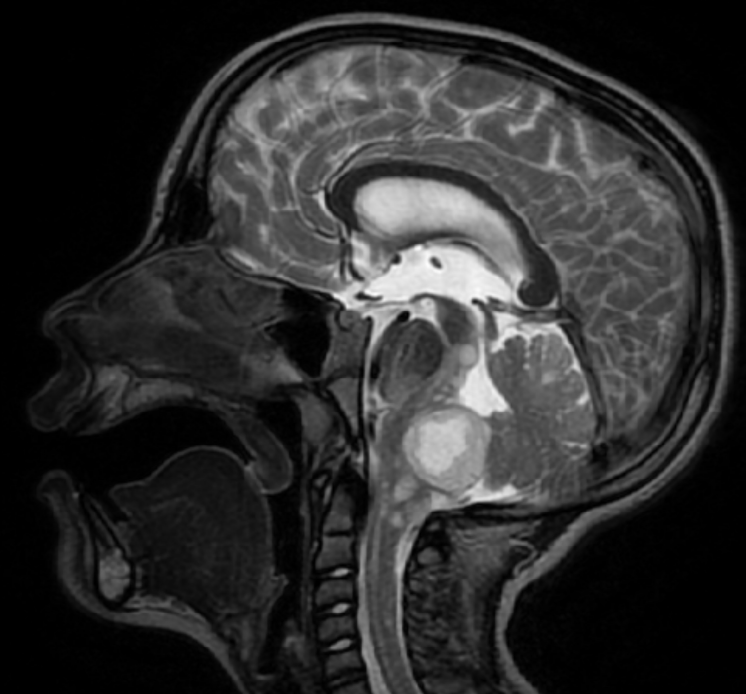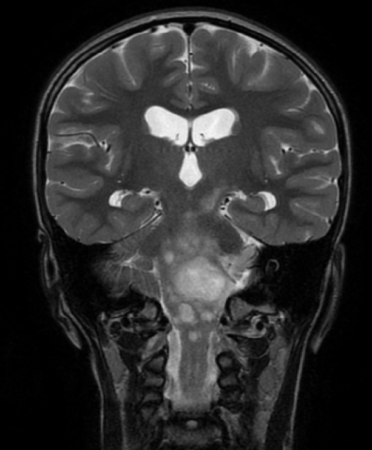
Pediatric-type, low-grade gliomas (PLGG) are the most common central nervous system (CNS) tumor in children, but in rare cases the tumors spread — known as disseminated pediatric low-grade gliomas (DPLGGs) — which leads to increased morbidity and mortality.
Researchers, led by Michael Dewan, MD, MSCI, compiled an international cohort of more than 260 DPLGG patients from 39 sites and 13 countries to study why low-grade brain tumors behave aggressively, as well as to identify the causative genetic alteration. Study findings were recently published in Neuro-Oncology.
“Our findings will help predict which children are at an elevated risk of developing disseminated low-grade gliomas as well as serve as a guide toward a more effective, personalized treatment,” said Dewan, associate professor of Neurological Surgery and Pediatrics at Monroe Carell Jr. Children’s Hospital at Vanderbilt and one of the study’s senior authors.
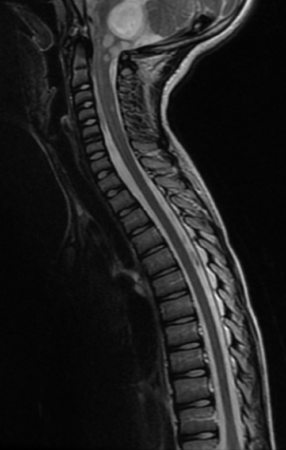
“Not all childhood brain tumors that look low-grade act the same,” he said. “This study expands our understanding of the clinical, pathologic and molecular features of this challenging disease. We found that when these tumors spread early or widely — especially in young children — outcomes are worse, but newer, targeted drugs work better than standard chemotherapy for many patients.”
Study findings inform prognosis and treatment decisions, particularly by supporting the earlier use of targeted, less-invasive therapies that may enhance survival and reduce treatment toxicity for children.
“This research improves our clinical and biological understanding of this rare disease, provides insights for improving patient care, and directs future clinical trials and basic science research,” said Dewan.
The post Study led by Monroe Carell Jr. Children’s Hospital at Vanderbilt looks at international cohort with rare cancer appeared first on Vanderbilt Health News.