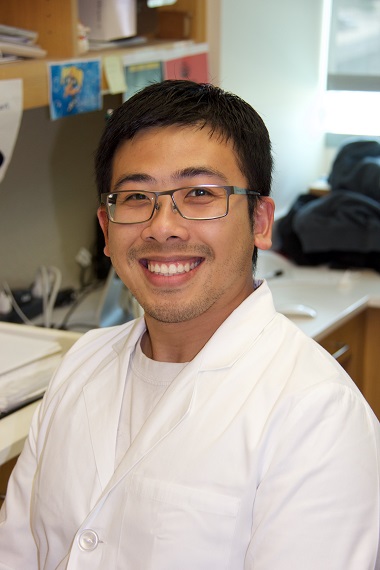
Wenhan Zhu, PhD
- Assistant Professor of Pathology, Microbiology, and Immunology
Wenhan Zhu, PhD
- Assistant Professor of Pathology, Microbiology, and Immunology
wenhan.zhu@vumc.org
Research Program
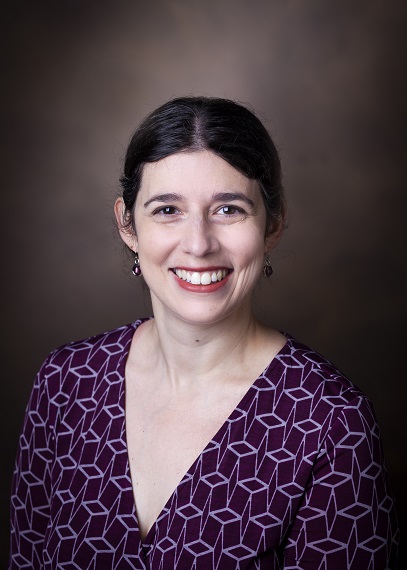
Laura Kennedy, M.D., Ph.D.
- Assistant Professor of Medicine (Hematology/Oncology)
Laura Kennedy, M.D., Ph.D.
- Assistant Professor of Medicine (Hematology/Oncology)
laura.kennedy@vumc.org
Research Program
Research Description
Wei-qi Wei, MD, PhD
- Associate Professor of Biomedical Informatics
Wei-qi Wei, MD, PhD
- Associate Professor of Biomedical Informatics
wei-qi.wei@vumc.org
Research Program
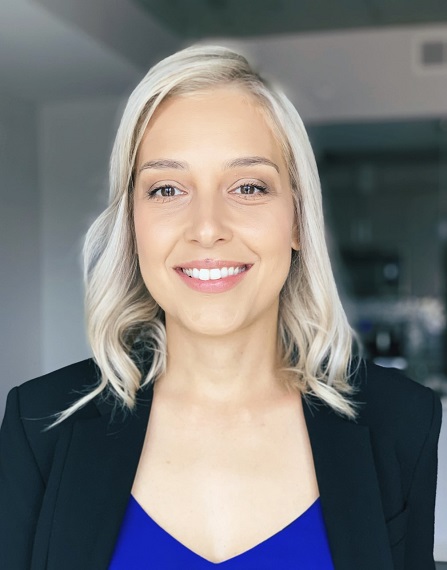
Elma Zaganjor, PhD
- Assistant Professor of Molecular Physiology and Biophysics
Elma Zaganjor, PhD
- Assistant Professor of Molecular Physiology and Biophysics
elma.zaganjor@Vanderbilt.Edu
Research Program
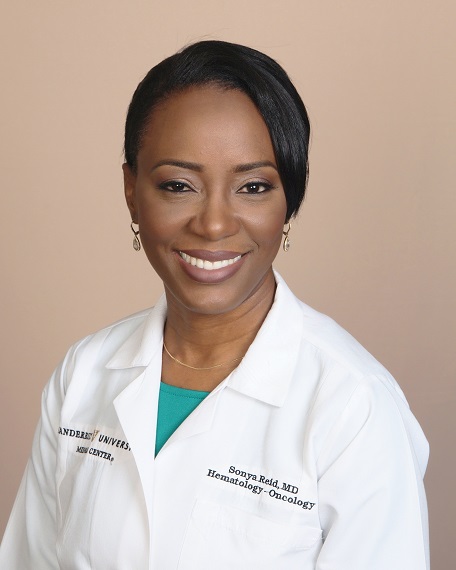
Sonya Reid, M.D., M.P.H.
- Associate Professor of Medicine (Hematology/Oncology)
- Assistant Director, Community Outreach and Engagement
Sonya Reid, M.D., M.P.H.
- Associate Professor of Medicine (Hematology/Oncology)
- Assistant Director, Community Outreach and Engagement
sonya.reid@vumc.org
Research Program
Research Description
Maria Piazuelo, M.D.
- Research Associate Professor of Medicine (Gastroenterology, Hepatology and Nutrition)
Maria Piazuelo, M.D.
- Research Associate Professor of Medicine (Gastroenterology, Hepatology and Nutrition)
maria.b.piazuelo@vumc.org
Research Program
Research Description
Featured Speakers:
Shari Barkin, MD, MSHS
(Vanderbilt University Medical Center)
is the William K. Warren Endowed Professor in the Department of Pediatrics and the Chief of Academic General Pediatrics at the Monroe Carrell Jr. Children’s Hospital at Vanderbilt University Medical Center. She also serves as the Executive Director for the Nashville Collaborative, an academic-community partnership to develop and test two-generation obesity prevention and treatment solutions working with the Department of Parks and Recreation. Dr. Barkin’s research focus is on clinical interventions to reduce pediatric obesity during critical windows of childhood development in underserved populations.
Stephen Hursting, PhD, MPH
(UNC Lineberger Comprehensive Cancer Center)
is the AICR/WICR Distinguished Professor in the Department of Nutrition at the University of North Carolina (UNC) at Chapel Hill. He is also Professor at the UNC Nutrition Research Institute and the UNC Lineberger Comprehensive Cancer Center. Dr. Hursting’s research interests center on precision nutrition as applied to cancer prevention, particularly the molecular and metabolic mechanisms underlying obesity-cancer associations, and the interplay between obesity, metabolism, host genetics and cancer. His lab is establishing that targeting growth factor signaling pathways, inflammation-associated immunosuppression, and the gut microbiome can reverse the procancer effects of obesity.
Bette J. Caan, DrPH
(Kaiser Permanente Division of Research)
is a senior research scientist and a nutritional epidemiologist at the Kaiser Permanente Northern California Division of Research. Dr. Caan is the former Director of the Early Stage Investigator Training Program, and she directs a research program focused on body composition and energy balance risk factors. She has expertise in the assessment of diet and body composition and the conduct of dietary intervention trials, and has recently published several papers on the obesity paradox in cancer, advocating that body mass index (BMI) misclassifies patients with regard to adiposity, and is also in part responsible for the identification of the obesity paradox.
William Murphy, PhD
(UC Davis Comprehensive Cancer Center)
is a Distinguished Professor and Vice Chair of Research in the Departments of Dermatology and Internal Medicine (Division of Hematology/Oncology) at UC Davis Comprehensive Cancer Center. Dr. Murphy’s laboratory studies various aspects within cancer immunology and immunotherapy, including immune responses to pathogens. Additionally, his research also focuses on methods to make preclinical modeling more reflective of the clinical scenario by incorporating human modifying factors such as obesity, aging, and prior immune exposures. His laboratory uses multiple models (including viral) and species (ranging from mouse, feline, canine, nonhuman primate and clinical sample) to integrate/link immune signatures and responses to pathogens, immunotherapies, or immune challenges.