Genetics of Renal Cell Carcinoma (PDQ®)–Health Professional Version
Inheritance and Risk of Renal Cell Carcinoma
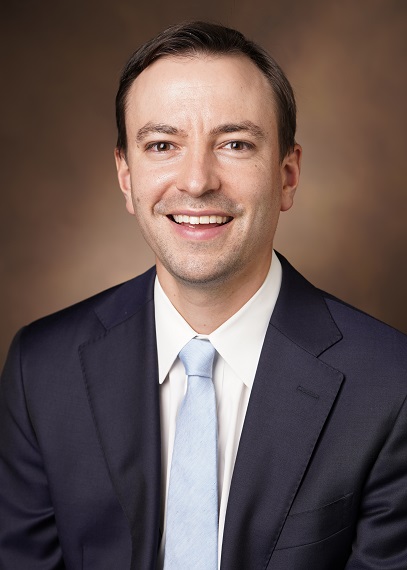
Michael Topf, MD
- Associate Professor of Otolaryngology
Michael Topf, MD
- Associate Professor of Otolaryngology
michael.topf@vumc.org
Research Program
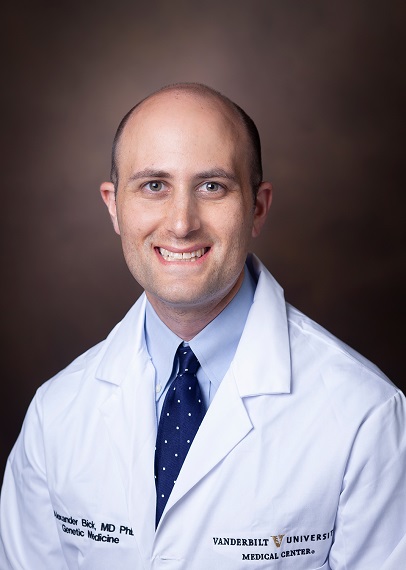
Alexander Bick, Ph.D., M.D.
- Associate Professor of Medicine
- Director, Division of Genetic Medicine
- Edward Clairborne Stahlman Chair #3
Alexander Bick, Ph.D., M.D.
- Associate Professor of Medicine
- Director, Division of Genetic Medicine
- Edward Clairborne Stahlman Chair #3
alexander.bick@vumc.org
Research Program
Research Description
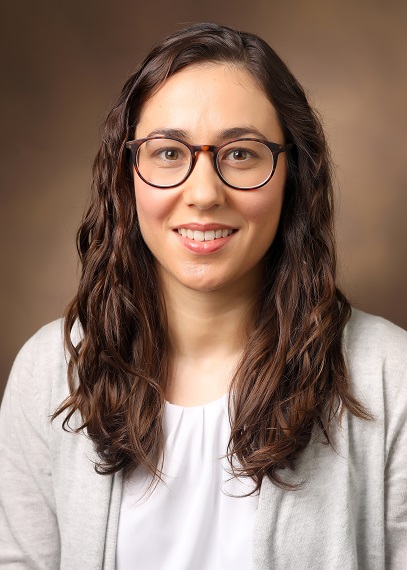
Cristina Kline-Quiroz, D.O.
- Assistant Professor of Physical Medicine and Rehabilitation
Cristina Kline-Quiroz, D.O.
- Assistant Professor of Physical Medicine and Rehabilitation
cristina.kline-quiroz@vumc.org
Research Program
Research Description

Venkataswarup Tiriveedhi, MD, PhD
- Associate Professor
- Director, Human Anatomy and Physiology
- Director, Tumor Immunology Laboratory
- Adjunct Professor, Vanderbilt University
Phone
3500 John A Merritt Blvd
Nashville, TN 37209
Nashville, TN 37209
Venkataswarup Tiriveedhi, MD, PhD
- Associate Professor
- Director, Human Anatomy and Physiology
- Director, Tumor Immunology Laboratory
- Adjunct Professor, Vanderbilt University
615-963-5779
venkataswarup.tiriveedhi@vanderbilt.edu
3500 John A Merritt Blvd
Nashville, TN 37209
Nashville, TN 37209
Research Program
This phase II/III trial studies how well sentinel lymph node biopsy works and compares sentinel lymph node biopsy surgery to standard neck dissection as part of the treatment for early-stage oral cavity cancer. Sentinel lymph node biopsy surgery is a procedure that removes a smaller number of lymph nodes from your neck because it uses an imaging agent to see which lymph nodes are most likely to have cancer. Standard neck dissection, such as elective neck dissection, removes many of the lymph nodes in your neck. Using sentinel lymph node biopsy surgery may work better in treating patients with early-stage oral cavity cancer compared to standard elective neck dissection.

Cosmas Okoro, PhD
- Professor of Organic Chemistry
Phone
Department of Chemistry, Tennessee State University
3500 John A. Merritt Blvd.
Nashville, TN 37209-1561
3500 John A. Merritt Blvd.
Nashville, TN 37209-1561
Cosmas Okoro, PhD
- Professor of Organic Chemistry
615-963-5332
cokoro@tnstate.edu
Department of Chemistry, Tennessee State University
3500 John A. Merritt Blvd.
Nashville, TN 37209-1561
3500 John A. Merritt Blvd.
Nashville, TN 37209-1561
Research Program
This phase II trial studies the effect of nivolumab in combination with blinatumomab compared to blinatumomab alone in treating patients with B-cell acute lymphoblastic leukemia (B-ALL) that has come back (relapsed). Down syndrome patients with relapsed B-ALL are included in this study. Blinatumomab is an antibody, which is a protein that identifies and targets specific molecules in the body. Blinatumomab searches for and attaches itself to the cancer cell. Once attached, an immune response occurs which may kill the cancer cell. Nivolumab is a medicine that may boost a patient's immune system. Giving nivolumab in combination with blinatumomab may cause the cancer to stop growing for a period of time, and for some patients, it may lessen the symptoms, such as pain, that are caused by the cancer.
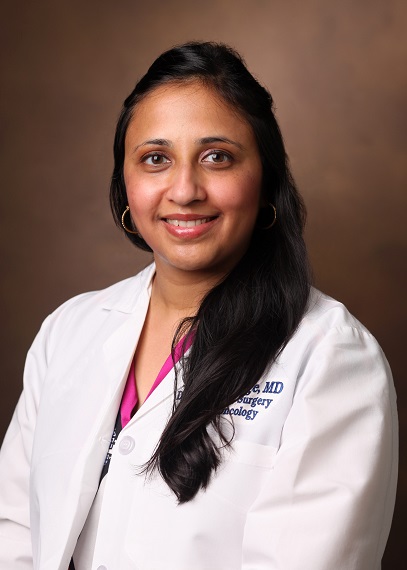
Deepa Magge, M.D.
- Associate Professor in Surgery (Surgical Oncology and Endocrine Surgery)
Deepa Magge, M.D.
- Associate Professor in Surgery (Surgical Oncology and Endocrine Surgery)
615-322-2391
deepa.r.magge@vumc.org