Juan Arroyo Ornelas, M.D., Ph.D.
- Assistant Professor of Medicine (Nephrology and Hypertension), Cell & Developmental Biology, and Molecular Physiology & Biophysics
Juan Arroyo Ornelas, M.D., Ph.D.
- Assistant Professor of Medicine (Nephrology and Hypertension), Cell & Developmental Biology, and Molecular Physiology & Biophysics
juan.p.arroyo@vumc.org
Research Program
Research Description
RESEARCH THEMES
The Cancer Cell Biology program is organized into four groups with common research interests:
Cell Cycle Control
Identifying how changes in key cell cycle proteins help tumor cells escape the typical response of cell death and lead to uncontrollable growth
Chemical Biology
Finding and developing compounds that inhibit key drivers of cancer formation
Signaling Networks
Combining ‘big data’ experimental approaches to understand the changes in signaling networks that drive cancer formation
Stem Cell Biology
Determining how cancer-initiating stem cells continuously renew and seed distant sites to promote metastasis, and understanding the role of these cells in resistance to chemotherapies
Cancer Cell Biology Research Program
The pathways that send chemical signals from the cell surface to the nucleus are major targets of genotype-driven therapies for cancer. The Cancer Cell Biology Research Program aims to better understand how changes in tumor cells alter these signaling networks, and to identify—or create—molecules that target these pathways as potential new therapies for cancer.
Meet the Program Members
The Cancer Cell Biology program, co-led by Jin Chen, MD, PhD, and Katrin Karbstein, PhD, is an active group of more than 40 basic, translational, and clinical scientists whose goal is to understand how signaling networks control cell proliferation and function, to identify drug leads, and to develop new cancer therapeutics.
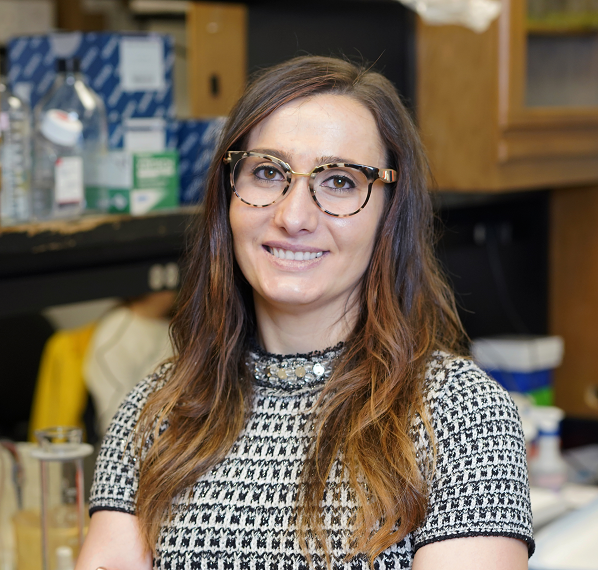
Andreana Holowatyj, Ph.D., M.Sc.
- Assistant Professor of Medicine
- Assistant Professor of Cancer Biology
Phone
Suite 334-G
Nashville, TN 37232
Andreana Holowatyj, Ph.D., M.Sc.
- Assistant Professor of Medicine
- Assistant Professor of Cancer Biology
615-322-0105
andreana.holowatyj@vumc.org
Suite 334-G
Nashville, TN 37232
Research Program
Research Description
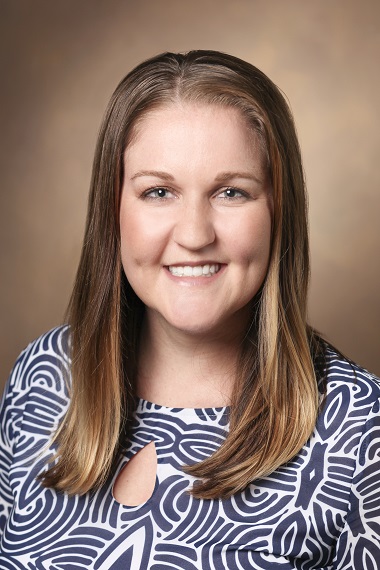
Brianna Smith, M.D., M.S.
- Assistant Professor of Pediatrics, Hematology/Oncology
Brianna Smith, M.D., M.S.
- Assistant Professor of Pediatrics, Hematology/Oncology
brianna.n.smith@vumc.org