This is a Phase 1b open-label, 2-part study in 3 treatment groups. The 3 treatment groups are as follows: Treatment Group 1: Palazestrant (OP-1250) in combination with ribociclib (KISQALI, Novartis Pharmaceuticals Corporation). Treatment Group 2: Palazestrant (OP-1250) in combination with alpelisib (PIQRAY, Novartis Pharmaceuticals Corporation). Treatment Group 3: Palazestrant (OP-1250) in combination with everolimus. Treatment Group 4: Palazestrant (OP-1250) in combination with atirmociclib.
This phase III trial studies how well lenalidomide and dexamethasone works with or without daratumumab in treating patients with high-risk smoldering myeloma. Drugs used in chemotherapy, such as lenalidomide and dexamethasone, work in different ways to stop the growth of tumor cells, either by killing the cells, by stopping them from dividing, or by stopping them from spreading. Immunotherapy with monoclonal antibodies, such as daratumumab, may induce changes in the body's immune system and may interfere with the ability of tumor cells to grow and spread. Giving lenalidomide and dexamethasone with daratumumab may work better in treating patients with smoldering myeloma.
This phase I/II trial tests the safety and efficacy of split-course adaptive radiation therapy in combination with immunotherapy with or without chemotherapy for the treatment of patients with stage IV lung cancer or lung cancer that that has spread to nearby tissue or lymph nodes (locally advanced). Radiation therapy is a standard cancer treatment that uses high energy rays to kill cancer cells and shrink tumors. Split-course adaptive radiation therapy uses patient disease response to alter the intensity of the radiation therapy. Immunotherapy with monoclonal antibodies such as pembrolizumab, ipilimumab, cemiplimab, atezolizumab or nivolumab may help the body's immune system attack the cancer, and may interfere with the ability of tumor cells to grow and spread. Chemotherapy drugs like carboplatin, pemetrexed, and paclitaxel work in different ways to stop the growth of cancer cells, either by killing the cells, by stopping them from dividing, or by stopping them from spreading. Giving split-course adaptive radiation therapy with standard treatments like immunotherapy and chemotherapy may be more effective at treating stage IV or locally advanced lung cancer than giving them alone.
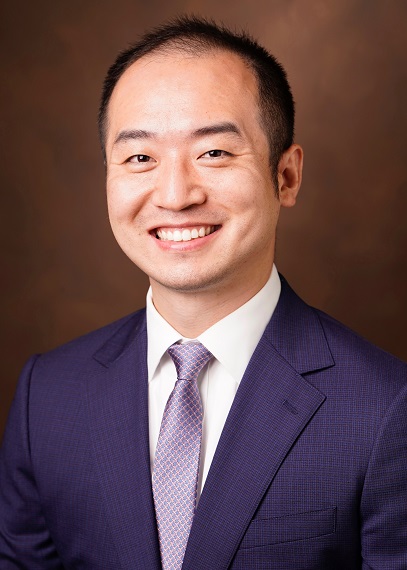
Leo Luo, M.D.

  • Assistant Professor of Radiation Oncology

Leo Luo, M.D.

  • Assistant Professor of Radiation Oncology

leo.luo@vumc.org

Research Program

Research Description

Have any questions? Contact Us 1-877-936-8422 for more information

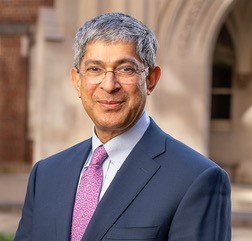
John Kuriyan, Ph.D.

  • Dean of the School of Medicine Basic Sciences
  • University Distinguished Professor of Biochemistry
  • University Distinguished Professor of Chemistry
  • University Distinguished Professor of Cell and Developmental Biology
  • Mary Geddes Stahlman Chair

John Kuriyan, Ph.D.

  • Dean of the School of Medicine Basic Sciences
  • University Distinguished Professor of Biochemistry
  • University Distinguished Professor of Chemistry
  • University Distinguished Professor of Cell and Developmental Biology
  • Mary Geddes Stahlman Chair

john.kuriyan@Vanderbilt.Edu

Research Program

Research Description

Have any questions? Contact Us 1-877-936-8422 for more information

Featured Speakers:

Mohammed AlQuraishi, PhD

(Columbia University)

is an Assistant Professor in the Department of Systems Biology and a member of Columbia’s Program for Mathematical Genomics, where he works at the intersection of machine learning, biophysics, and systems biology. Prior to starting his academic career, Dr. AlQuraishi spent three years founding two startups in the mobile computing space.

Avery Posey Jr., PhD

(University of Pennsylvania)

is an Assistant Professor in the Department of Systems Pharmacology and Translational Therapeutics at the University of Pennsylvania Perelman School of Medicine, a member researcher of the Parker Institute for Cancer Immunotherapy, and a Research Health Scientist at the Philadelphia Veterans Administration Medical Center. The Posey Laboratory generates novel CAR T cell therapies targeting tumor-associated glycosylation and investigates strategies to enhance CAR T cell persistence and overcome tumorinduced immunosuppression.

Sarah Teichmann, FMedSci FRS

(Wellcome Sanger Institute)

is a systems and genome biologist who heads the Cellular Genetics programme at the Wellcome Sanger Institute, Cambridge. Dr. Teichmann’s research group develops and applies cell atlasing technologies to map human tissue architecture in order to understand health and disease. In 2016, she co-founded the Human Cell Atlas (HCA) consortium, which she continues to co-lead. Dr. Teichmann is also the Director of Research at the Physics Department at the University of Cambridge.

Emerging Technologies in Cancer Research

Kevin Schey, Ph.D.

  • Professor of Biochemistry, Ophthalmology

Kevin Schey, Ph.D.

  • Professor of Biochemistry, Ophthalmology

k.schey@vanderbilt.edu

Research Program

Research Description

Have any questions? Contact Us 1-877-936-8422 for more information

Jessica Ancker, Ph.D., M.P.H.

  • Professor of Biomedical Informatics and Health Policy

Email

jessica.s.ancker@vumc.org
2525 West End Ave.

Jessica Ancker, Ph.D., M.P.H.

  • Professor of Biomedical Informatics and Health Policy

jessica.s.ancker@vumc.org

2525 West End Ave.

Research Program

Research Description

Have any questions? Contact Us 1-877-936-8422 for more information
Subscribe to